Food security: the role of trusted agricultural supply
Food security improves when quality staple foods are available, accessible, affordable and supplied through dependable systems.
Availability is only one part of the answer
Food security is not only about producing food. It is also about ensuring that the right food reaches the right people at the right time and in the right condition. Households, retailers, food vendors, processors, and institutions all depend on supply chains that can deliver staples consistently.
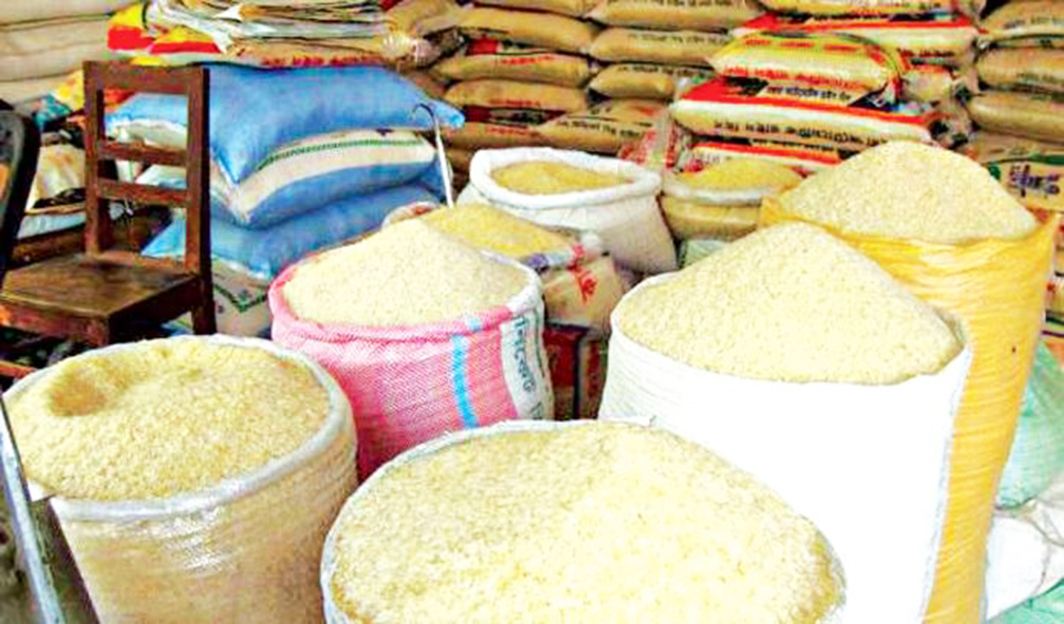
Staple commodities such as rice, beans, maize, garri, soybeans, and semovita are central to everyday nutrition and trade. When supply is unreliable, prices fluctuate, businesses struggle to plan, and families feel the pressure.
Why trusted supply matters
A trusted supplier adds value by sourcing responsibly, checking quality, coordinating logistics, communicating clearly, and honouring commitments. Storage and handling are also important: poor storage damages quality, increases waste, and reduces market value.
Food security begins with dependable basics
The most important foods are often the simple ones people buy every week. When these products become scarce, expensive, or unreliable, the pressure is felt immediately in homes and businesses. Dependable basics create stability.
The role of responsible agribusiness
A responsible agribusiness connects production with real demand. It listens to customers, understands seasonal changes, works with suppliers, and builds systems that reduce waste. For Amanah Farms, food security is present in every product supplied, every partnership built, and every commitment honoured.