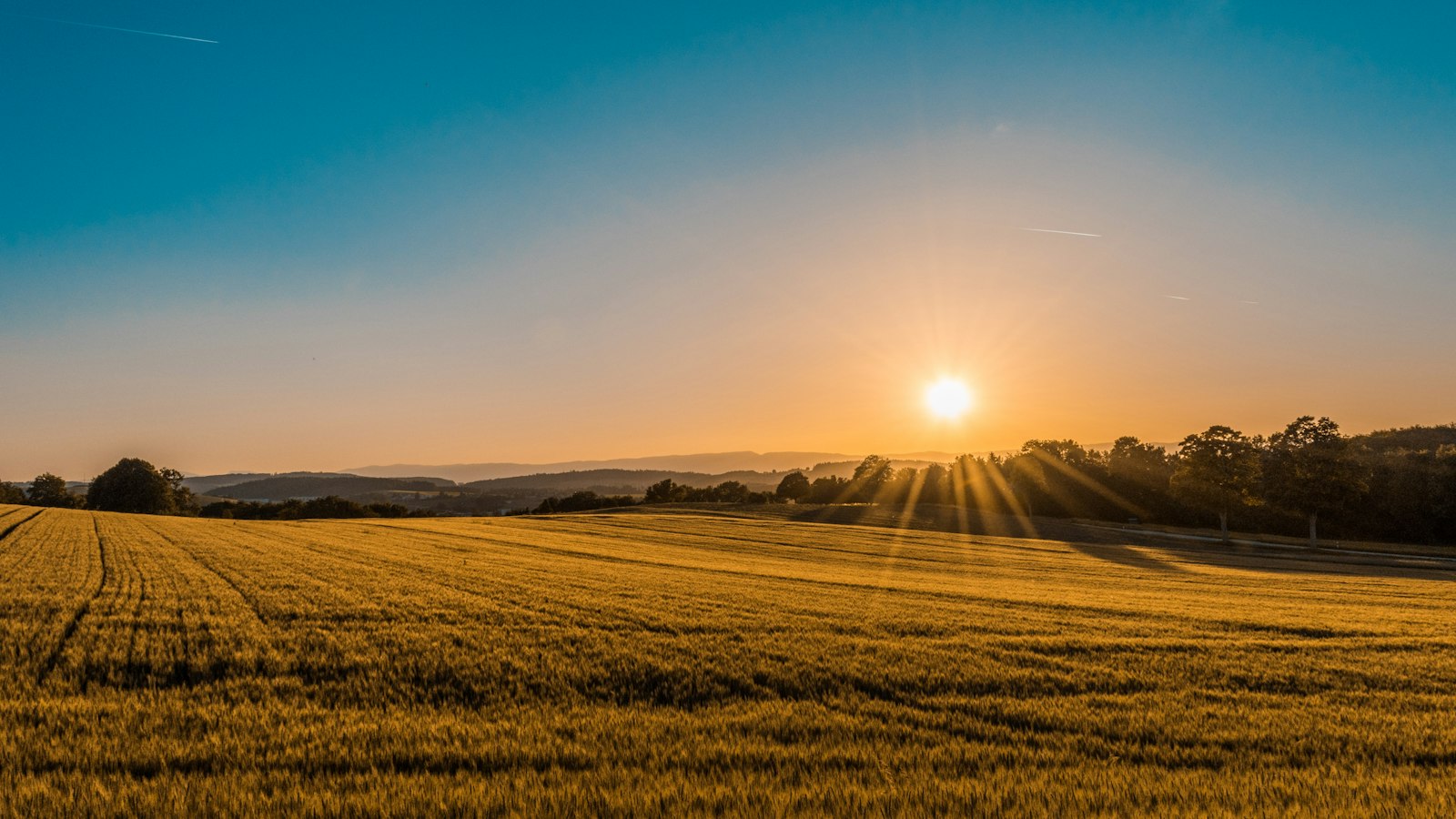
Commercial farming: building consistency from field to market
Commercial farming succeeds when production, quality control, storage, logistics and customer demand are planned as one connected system.
Scale needs structure
Commercial farming is different from occasional production. It requires clear planning before planting or stocking begins. Farmers and agribusinesses must estimate demand, understand input costs, prepare land or housing, manage labour, and create a route to market before harvest time.
Without structure, even a good harvest can lose value through poor handling, delayed transport, weak storage, or inconsistent quality. A serious commercial farm treats production as the beginning of the journey, not the end.
What makes a farm dependable?
Dependable farms monitor the details. They track planting dates, feed schedules, animal health, pond conditions, expected yields, storage needs, and buyer requirements. They also build relationships with reliable input suppliers, transport partners, and customers.
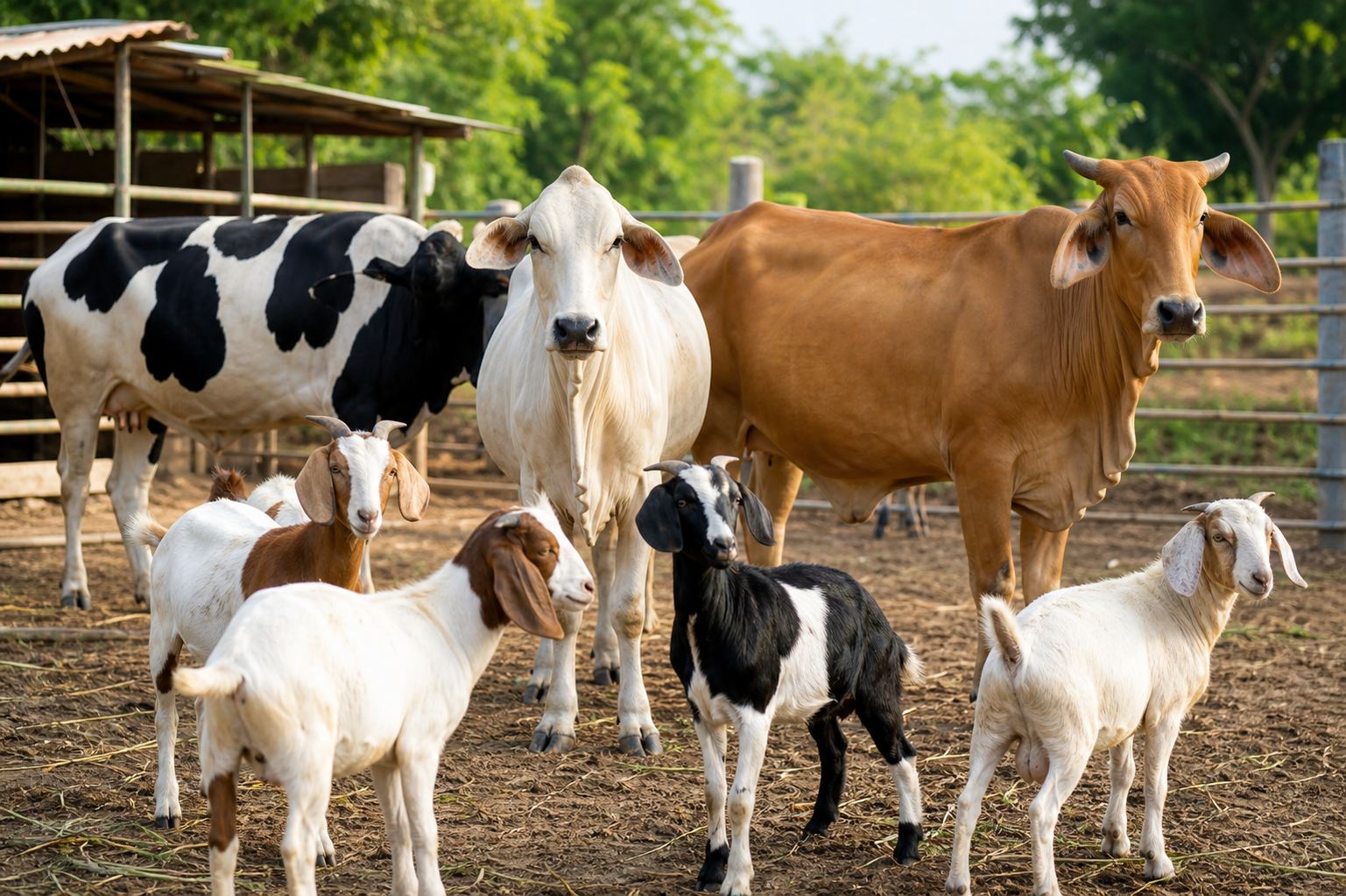
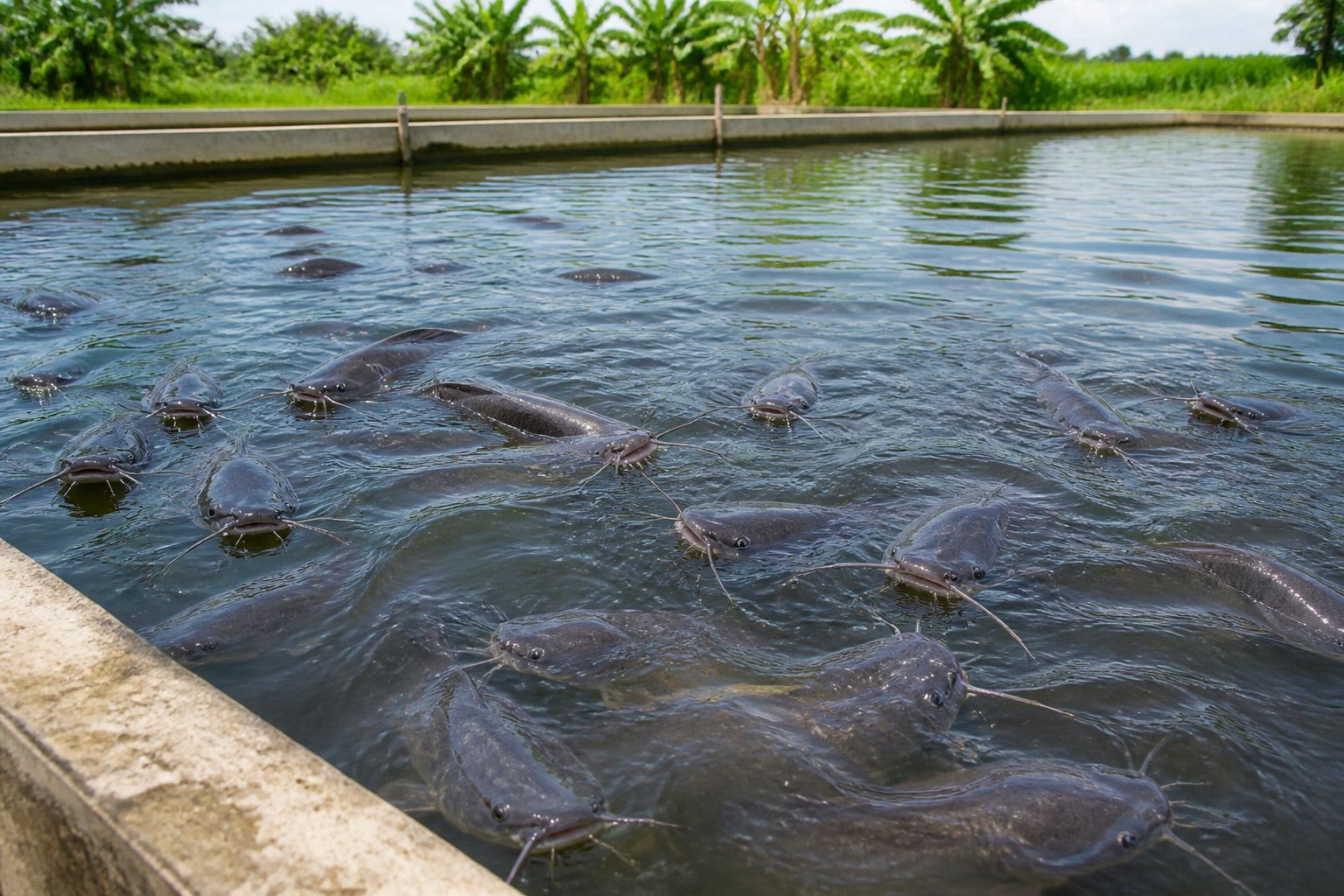
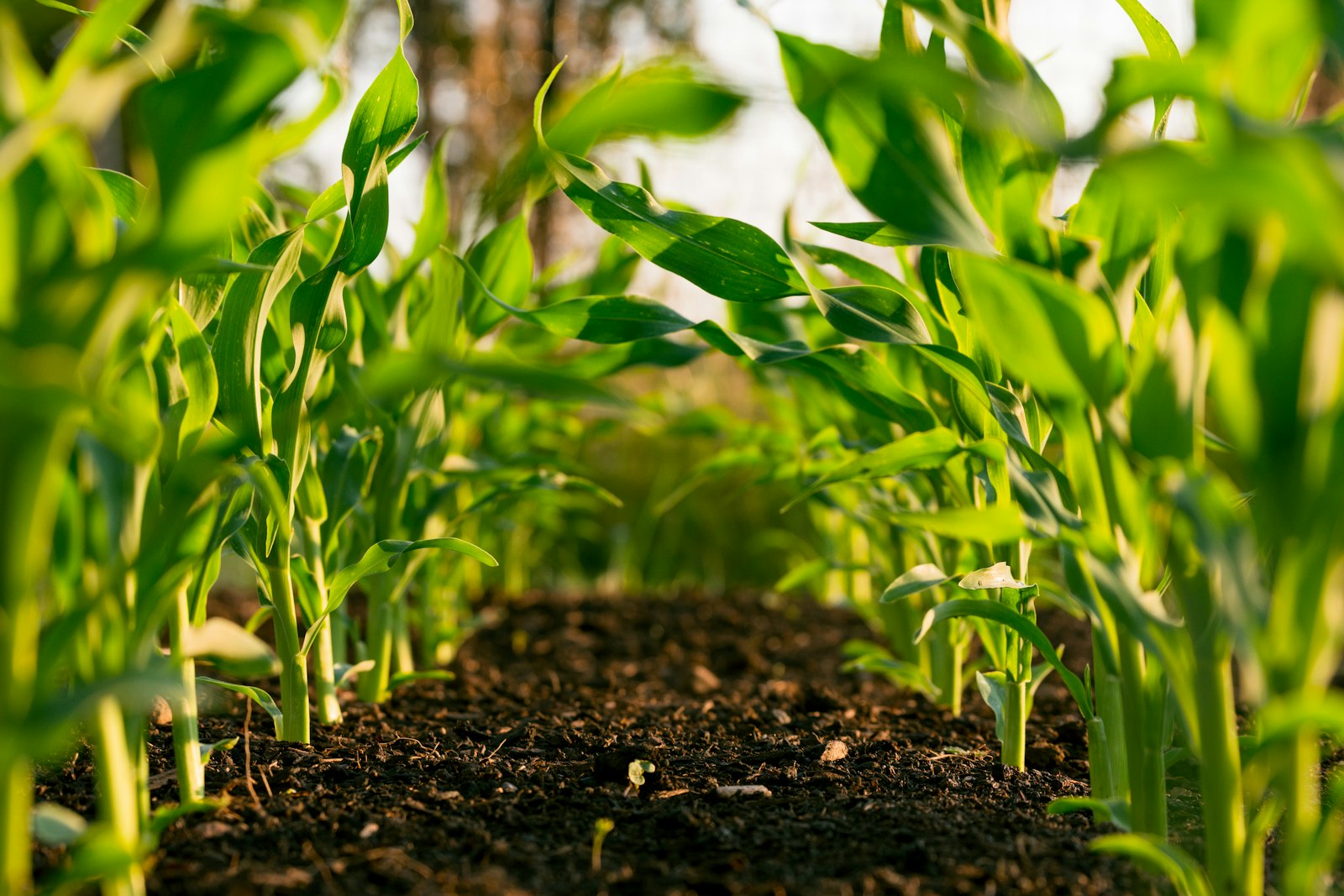
For crop production, this includes soil preparation, good seed selection, water management, pest control, and timely harvesting. For livestock and fish, it includes nutrition, hygiene, stocking density, disease prevention, and proper handling.
The human side of commercial farming
At its heart, commercial farming is still about people: the workers who prepare the land, the farmers who watch the crop every day, the drivers who move products to market, and the families who eventually cook the food. Every stage depends on care and coordination.
That is why it needs more than land and capital. It needs discipline — harvesting at the right time, keeping produce clean, using suitable storage, and responding quickly when customers make enquiries.
Growing with the market
Markets change. Demand can rise suddenly, prices can shift, and customers may need different quantities at different times. A good commercial farm learns from these patterns and keeps improving. For Amanah Farms, the goal is to build systems that protect quality, support fair value, and make agricultural business easier for customers to trust.