Fish farming in Nigeria: growing supply through aquaculture
Aquaculture can help meet Nigeria’s growing demand for affordable protein when fish farms are managed with care, consistency and market awareness.
Why fish farming matters
Fish is an important source of protein for many Nigerian households. As demand grows, fish farming offers a practical way to increase supply, support livelihoods, and reduce pressure on wild fish sources.
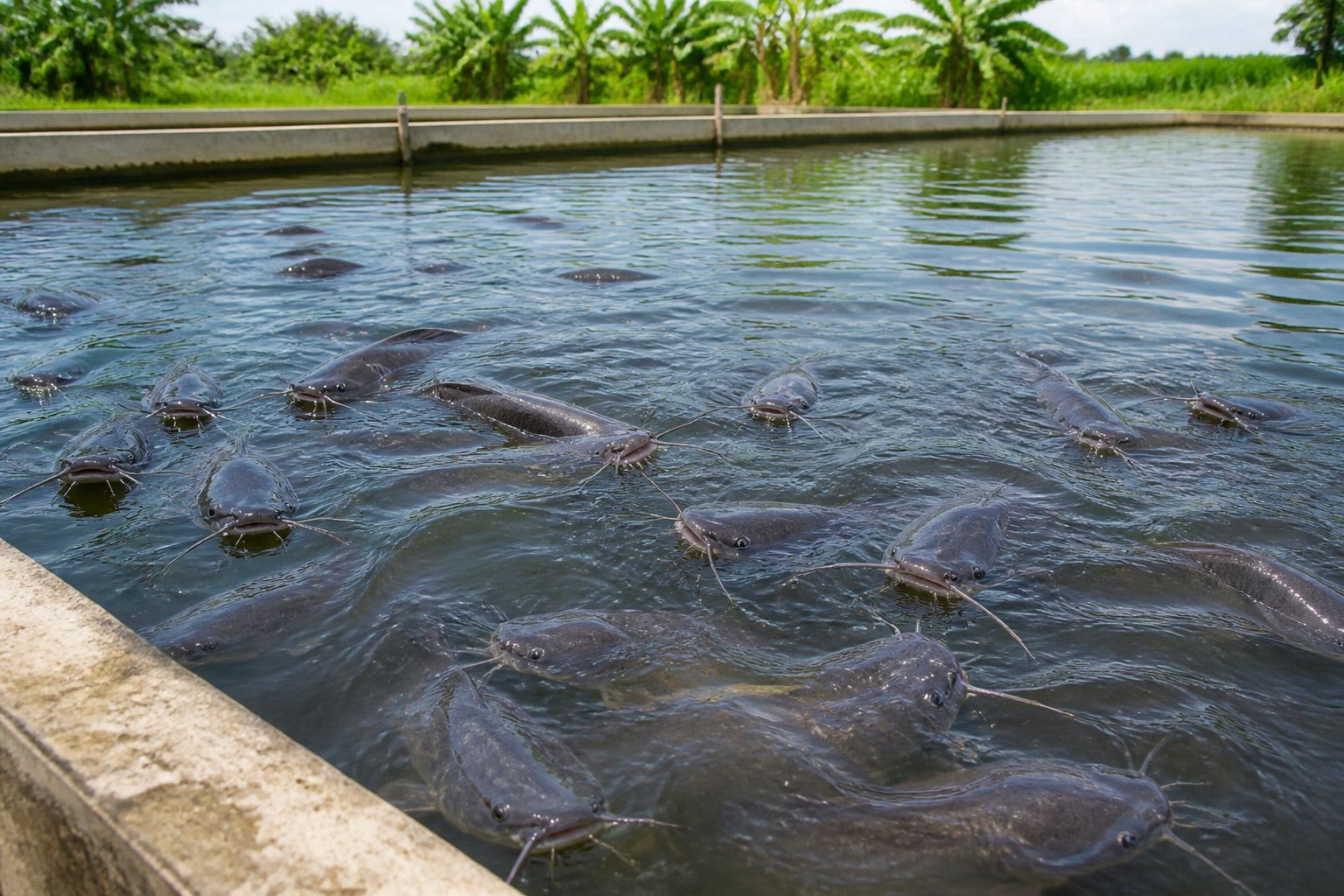
Catfish and tilapia are common choices because they can be produced in managed pond systems and sold fresh, smoked, processed, or supplied in bulk. Successful aquaculture requires discipline: water quality, stocking density, feed quality, oxygen levels, hygiene, and harvesting schedules all affect results.
Good ponds need good systems
A fish pond is a living production environment. Farmers must monitor water clarity, temperature, smell, fish behaviour, and feeding response. Overfeeding wastes money and damages water quality. Underfeeding slows growth. Poor stocking can lead to stress, disease, and uneven production.
Small details make a big difference
In fish farming, problems often begin small. A slight change in water condition, poor feeding response, overcrowding, or weak fingerlings can affect the entire pond if ignored. Fish may not speak, but their movement, feeding behaviour, and the state of the water tell a story every day.
Supplying fish with confidence
Customers want fish that is fresh, properly handled, and available when promised. A well-managed fish farm serves this need by combining production discipline with reliable communication — a dependable source of food, income, and community value.